




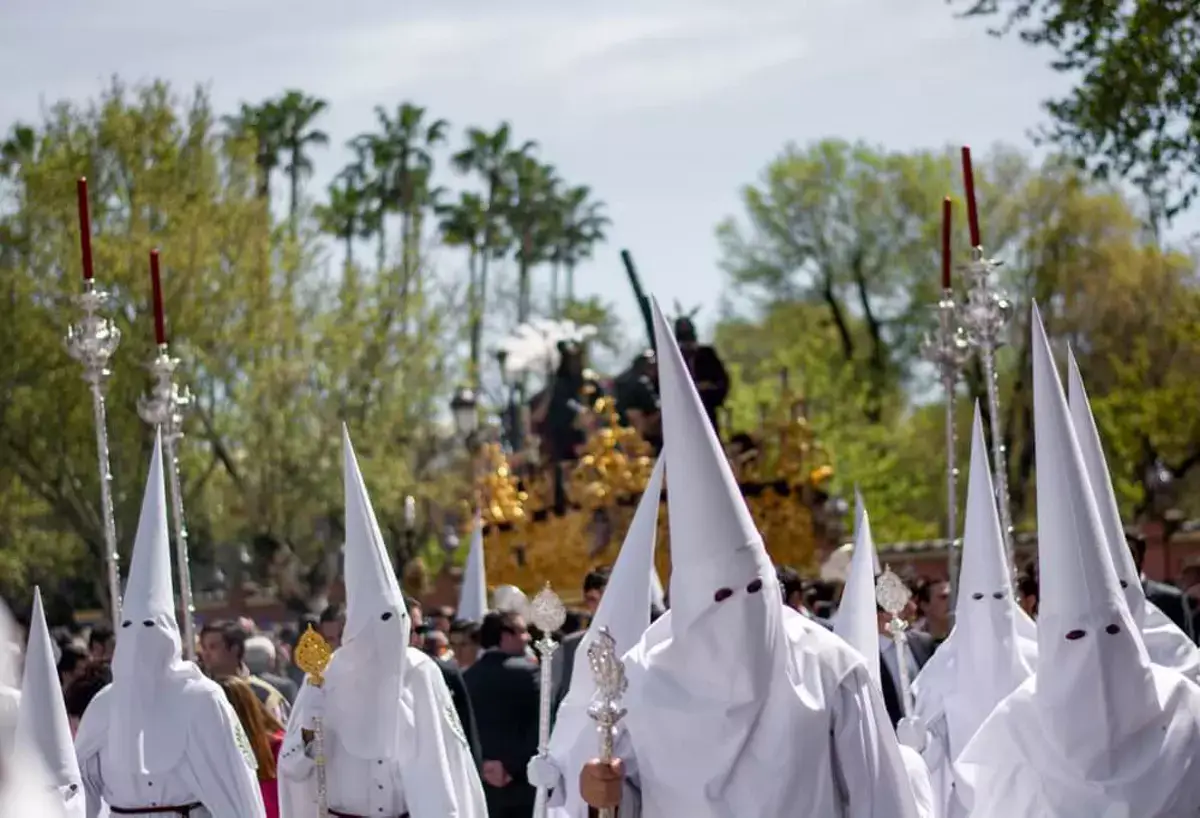
Semana Santa is one of the most important religious observances in the Christian calendar. The term means “Holy Week” in Spanish and refers to the week leading up to Easter Sunday. It remembers the final days of Jesus Christ’s life, including his entry into Jerusalem, the Last Supper, his crucifixion, and his resurrection. For many Christians, Semana Santa is a time of prayer, reflection, repentance, and hope.
At the same time, Semana Santa is also a major cultural event in many Spanish-speaking countries and Catholic communities around the world. It is known for religious processions, church services, traditional music, symbolic clothing, family gatherings, and public holidays. While the spiritual meaning remains at the center, the way people observe Semana Santa can vary from country to country and even from town to town.
What Is Semana Santa?
Semana Santa is the Spanish name for Holy Week. It begins with Palm Sunday and ends with Easter Sunday. Each day has religious meaning and is connected to events in the final week of Jesus Christ’s earthly life. Palm Sunday marks Jesus’ arrival in Jerusalem, where people welcomed him with palm branches. Holy Thursday remembers the Last Supper. Good Friday focuses on the crucifixion. Easter Sunday celebrates the resurrection.
The week is especially important in Catholic tradition, but it is also observed by many other Christian groups. In countries such as Spain, Mexico, Guatemala, Colombia, Peru, the Philippines, and parts of the United States, Semana Santa is both a religious and cultural experience. For believers, it is not only a public event but also a personal time to think about faith, sacrifice, forgiveness, and renewal.
Historical Background of Semana Santa
The roots of Semana Santa go back to the early Christian church. Christians have remembered the death and resurrection of Jesus for centuries, but public processions and detailed rituals developed more strongly over time. In Spain, Semana Santa became deeply connected with Catholic worship, religious brotherhoods, and community traditions.
Spanish influence later carried many Holy Week traditions to Latin America and other regions. Over the years, local customs mixed with Catholic practices. This is why Semana Santa looks different in different places. Some communities focus on quiet prayer and church services, while others hold large processions with floats, candles, music, and dramatic scenes from the Passion of Christ.
Why Semana Santa Is Important
Semana Santa is important because it brings together faith, history, culture, and community. For Christians, the week carries deep spiritual meaning. It reminds them of suffering, sacrifice, death, and resurrection. Many people use this time to attend church, confess sins, fast, pray, or spend time with family.
The positive side of Semana Santa is that it encourages reflection, unity, and respect for religious values. The negative side is that in some places, the week can become too commercial or crowded, which may distract from its deeper meaning. Still, for millions of people, Semana Santa remains a serious and meaningful tradition.
Main Days of Semana Santa
Palm Sunday
Palm Sunday is the first day of Semana Santa. It remembers Jesus’ entry into Jerusalem. In many churches, people carry palm leaves or branches during services. These palms represent welcome, honor, and peace. Palm Sunday begins the emotional journey of Holy Week.
In many communities, Palm Sunday processions are peaceful and family-centered. Children often take part, and churches may bless palm branches. This day sets the tone for the rest of the week by reminding people that joy and suffering are both part of the Holy Week story.
Holy Thursday
Holy Thursday, also called Maundy Thursday, remembers the Last Supper of Jesus with his disciples. It is also connected to the washing of feet, a symbol of service and humility. Many churches hold special evening services on this day.
The message of Holy Thursday is simple but powerful. It teaches love, service, and sacrifice. In some places, people visit several churches during the evening. This practice shows devotion and gives worshippers time to reflect before Good Friday.
Good Friday
Good Friday is one of the most serious days of Semana Santa. It remembers the crucifixion of Jesus. Many Christians treat this day as a time of silence, prayer, fasting, and mourning. Church services often focus on the Passion of Christ and the meaning of the cross.
In many countries, Good Friday processions are the most dramatic part of Semana Santa. Large statues or floats may show Jesus carrying the cross, Mary in sorrow, or scenes from the crucifixion. The atmosphere is often solemn, with slow music, candles, and quiet crowds.
Holy Saturday
Holy Saturday is a day of waiting. It comes after Good Friday and before Easter Sunday. In Christian belief, it represents the time between Jesus’ death and resurrection. Many churches remain quiet during the day, then hold Easter Vigil services at night.
The Easter Vigil is one of the most meaningful services of the year in many Catholic communities. It often includes candles, scripture readings, prayers, and the celebration of new life. Holy Saturday helps people move from sorrow toward hope.
Easter Sunday
Easter Sunday is the final and most joyful day connected with Semana Santa. It celebrates the resurrection of Jesus Christ. For Christians, this is the foundation of hope and victory over death. Churches are often full, and the mood changes from sadness to celebration.
Families may gather for meals, and communities may hold joyful processions or special events. Easter Sunday completes the Holy Week journey by showing that suffering is not the end of the story.
Semana Santa Processions
One of the most recognized parts of Semana Santa is the religious procession. These processions often include statues, floats, candles, crosses, incense, and traditional music. In some places, members of religious brotherhoods wear long robes and pointed hoods. These clothes are part of old religious customs and are meant to show penance, humility, and devotion.
The floats can be very heavy and are often carried by groups of people through the streets. This requires discipline, teamwork, and physical strength. The slow movement of the procession gives people time to reflect on the meaning of Holy Week. For visitors, these processions can be striking, but for local communities, they are often a serious act of faith.
Semana Santa in Spain
Spain is one of the countries most strongly associated with Semana Santa. Cities such as Seville, Málaga, Granada, and Valladolid are known for large Holy Week processions. These events attract both worshippers and visitors. The streets become part of the religious experience, with music, silence, and public devotion.
Spanish Semana Santa traditions are often organized by religious brotherhoods. These groups prepare throughout the year for Holy Week. Their work includes caring for religious images, planning processions, training carriers, and maintaining old customs. For many families, participation is passed from one generation to the next.
Semana Santa in Latin America
Semana Santa is also widely observed across Latin America. Countries such as Mexico, Guatemala, Colombia, Peru, and Ecuador have strong Holy Week traditions. Some towns create street carpets made from colored sawdust, flowers, or other natural materials. These carpets are designed for processions and can take many hours to prepare.
In Latin America, Semana Santa often blends Catholic faith with local culture. Food, music, clothing, and community activities may differ from place to place. Some communities stage Passion plays that show the final hours of Jesus’ life. These performances help people understand the story in a visual and emotional way.
Traditional Food During Semana Santa
Food is another important part of Semana Santa. In many Catholic communities, people avoid eating meat on Good Friday and sometimes during other parts of Lent. Fish, vegetables, soups, and simple dishes are common. The exact foods depend on the country and local customs.
Traditional sweets and breads may also be prepared during Holy Week. Families often gather to cook and eat together. These meals are not only about food but also about memory, family connection, and religious discipline. In many homes, recipes linked to Semana Santa are passed down through generations.
The Cultural Value of Semana Santa
Semana Santa is not only a religious event. It is also part of cultural identity in many places. It brings people into public spaces and connects them with history, art, music, and community memory. Many processions use religious images that are considered important works of art.
The cultural value of Semana Santa can be seen in how communities prepare for it. People volunteer, practice music, decorate streets, clean churches, and organize public events. Even people who are not deeply religious may respect Semana Santa because of its historical and cultural importance.
Tourism and Semana Santa
Semana Santa attracts many visitors, especially in cities known for large processions. Tourists often come to see the public ceremonies, historic churches, and traditional events. This can support local businesses such as hotels, restaurants, transport services, and shops.
However, tourism can also create pressure. Crowds, noise, and commercial activity may affect the religious mood of the week. The best way to experience Semana Santa as a visitor is to show respect, follow local rules, dress modestly when needed, and remember that these events are sacred for many people.
Common Symbols of Semana Santa
Semana Santa includes many symbols. The cross represents sacrifice and redemption. Candles represent light and hope. Palms represent welcome and peace. Purple is often connected with penance and preparation. Black may be used to show mourning, especially on Good Friday.
Music is also symbolic. Slow drums, trumpets, or hymns can create a serious atmosphere. Silence is equally important in many processions. Sometimes the absence of sound says more than words. These symbols help people feel the meaning of Holy Week in a direct way.
Modern Observance of Semana Santa
In modern times, Semana Santa continues to change while keeping its main meaning. Some people observe it mainly through church services, while others focus on family time or cultural events. In some countries, schools and offices close for part of the week, allowing families to travel or rest.
Even with modern changes, the central message remains strong. Semana Santa invites people to slow down and think about faith, sacrifice, forgiveness, and hope. It also reminds communities that traditions can survive when people continue to value and practice them.
Conclusion
Semana Santa is a powerful week of faith, memory, and community. It is rooted in the Christian story of Jesus Christ’s final days, death, and resurrection. Through Palm Sunday, Holy Thursday, Good Friday, Holy Saturday, and Easter Sunday, the week moves from welcome to sorrow and finally to hope.
Its importance goes beyond church walls. Semana Santa shapes culture, art, music, food, family life, and public identity in many countries. Whether observed through prayer, processions, fasting, or family gatherings, Semana Santa remains one of the most meaningful traditions in the Christian world.
FAQ About Semana Santa
What does Semana Santa mean?
Semana Santa means “Holy Week” in Spanish. It refers to the week before Easter Sunday and remembers the final days of Jesus Christ’s life. It includes Palm Sunday, Holy Thursday, Good Friday, Holy Saturday, and Easter Sunday.
The week is especially important in Catholic tradition, but many other Christians also observe it. It is a time for prayer, reflection, worship, and remembering the death and resurrection of Jesus.
When does Semana Santa take place?
Semana Santa takes place during the week leading up to Easter Sunday. The exact dates change every year because Easter is a movable Christian feast. This means Semana Santa does not fall on the same calendar dates each year.
It usually happens in March or April. Churches and communities announce the dates each year according to the Christian liturgical calendar.
Why is Semana Santa important to Christians?
Semana Santa is important because it focuses on the central events of Christian faith. These include the Last Supper, the crucifixion of Jesus, and his resurrection. For Christians, these events represent sacrifice, forgiveness, and hope.
The week gives believers time to reflect on their relationship with God. Many people attend church services, pray more often, fast, or take part in religious processions.
What happens during Semana Santa processions?
During Semana Santa processions, people walk through streets carrying religious statues, crosses, candles, and floats. These processions often show scenes from the Passion of Christ. Music, silence, and prayer are also common.
The processions are usually organized by religious groups or brotherhoods. They can be simple and quiet or large and dramatic, depending on the country and local tradition.
Is Semana Santa only celebrated in Spain?
No, Semana Santa is not only celebrated in Spain. It is observed in many countries, especially where Catholic traditions are strong. These include Mexico, Guatemala, Colombia, Peru, Ecuador, the Philippines, and many other places.
Spain is famous for its large Holy Week processions, but Latin American countries also have rich and meaningful traditions. Each place adds its own cultural style to the celebration.
What is the difference between Semana Santa and Easter?
Semana Santa is the full Holy Week before Easter Sunday. It includes several important days that remember the final events before the resurrection of Jesus. Easter Sunday is the final day and celebrates the resurrection.
In simple words, Semana Santa is the journey, and Easter is the celebration at the end. Both are closely connected in Christian faith.
What foods are eaten during Semana Santa?
Foods eaten during Semana Santa vary by country and family tradition. In many Catholic communities, people avoid meat on Good Friday. Fish, soups, vegetables, and simple dishes are common during this time.
Some countries also prepare traditional sweets, breads, or special family recipes. These foods are often linked to religious customs and memories passed down through generations.
Why do some people wear robes during Semana Santa?
In some Semana Santa processions, members of religious brotherhoods wear robes and hoods as part of old traditions. These clothes are usually meant to show penance, humility, and devotion.
The meaning depends on local history and religious practice. Visitors should understand that these outfits are part of sacred ceremonies in many Catholic communities.
Can tourists attend Semana Santa events?
Yes, tourists can usually attend Semana Santa events, especially public processions. Many cities welcome visitors during Holy Week. However, visitors should behave respectfully because these are religious events for many people.
It is best to avoid loud behavior, dress respectfully, follow local instructions, and not interrupt processions. Taking photos may be allowed in some places, but it should be done with care.
What is the main message of Semana Santa?
The main message of Semana Santa is faith, sacrifice, forgiveness, and hope. It reminds Christians of the suffering and death of Jesus, followed by the joy of resurrection on Easter Sunday.
For many people, Semana Santa is also a time to reflect on life, family, community, and personal values. It teaches that pain and loss can lead to renewal and hope.
Read more: Magazinegallery.co.uk