




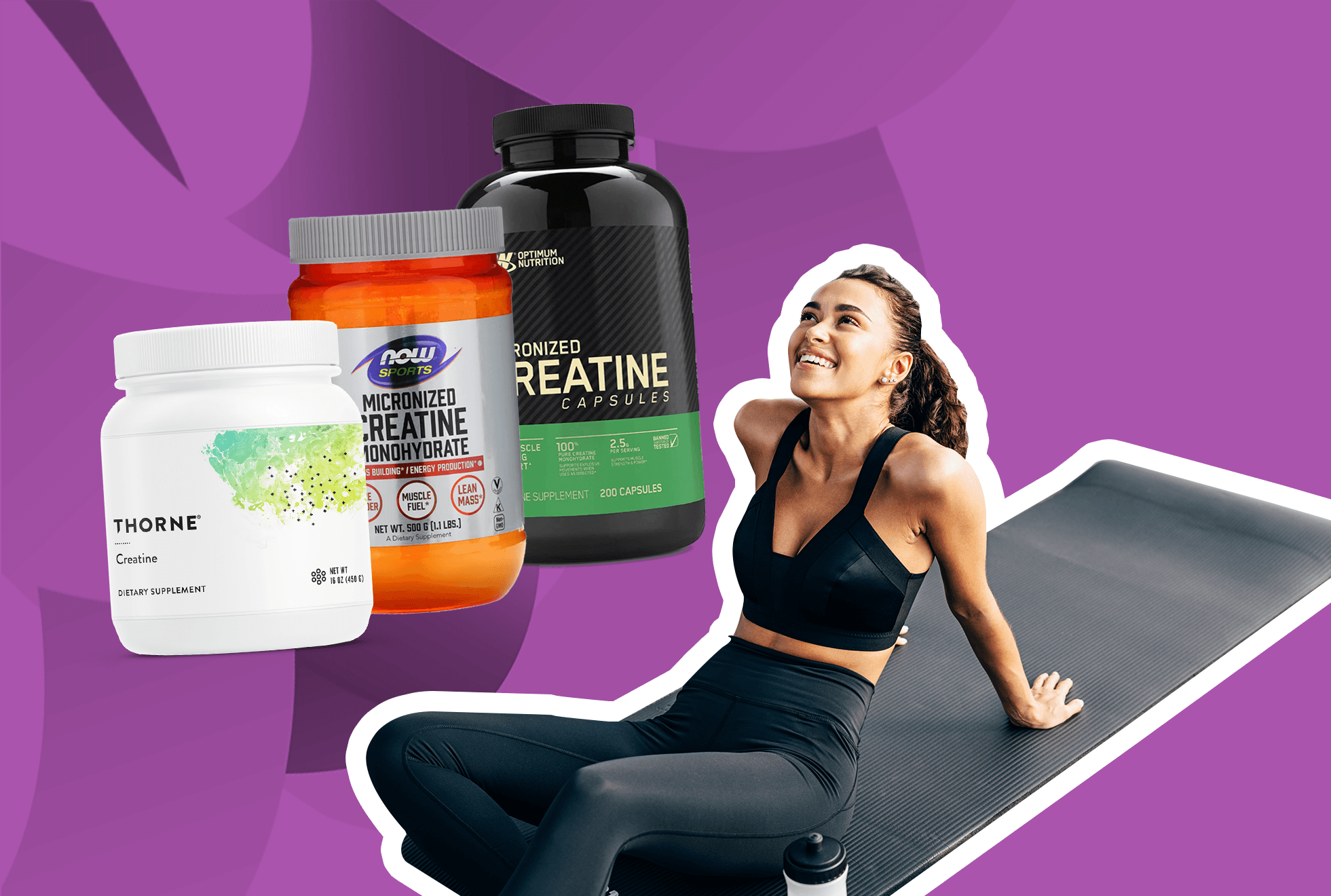
Creatine is no longer seen as a supplement only for male bodybuilders. Many women now use it to support strength, workout performance, muscle recovery, and daily energy. The best creatine for women is usually simple, clean, and easy to take consistently.
A positive point is that creatine can help women train harder and recover better when used properly. A negative point is that poor-quality products, oversized doses, or unrealistic claims can confuse buyers and lead to disappointment.
Quick Bio: What Is Creatine?
Creatine is a natural compound found in the body, mainly in muscles. It helps produce quick energy during short, intense activities such as lifting weights, sprinting, cycling, or high-effort training.
The body makes some creatine on its own, and small amounts also come from foods like meat and fish. However, many women use creatine supplements because diet alone may not provide enough for performance goals.
What Is the Best Creatine for Women?
The best creatine for women is generally creatine monohydrate. It is the most researched form, widely used, affordable, and effective for most fitness goals.
Women do not usually need a special “female-only” creatine formula. In many cases, those products are simply regular creatine with different branding, flavors, or added ingredients.
Why Creatine Monohydrate Is the Top Choice
Creatine monohydrate is popular because it is simple and proven. It supports muscle power, exercise output, and recovery when combined with regular training.
Another benefit is that it does not need complicated timing. Women can take it before a workout, after a workout, or with a meal. The most important factor is daily consistency.

Best Creatine for Women: Powder, Capsules, or Gummies?
Creatine powder is often the best option for value and flexibility. It mixes with water, juice, smoothies, or protein shakes and allows easy dose control.
Capsules are useful for women who dislike powder or travel often. Gummies may taste better, but they can cost more and sometimes contain added sugar or lower creatine amounts per serving.
How Much Creatine Should Women Take?
Most women use 3 to 5 grams of creatine per day. This amount is simple, practical, and suitable for many active adults.
Some people use a loading phase, but it is not required. Starting with a normal daily dose may reduce the chance of stomach discomfort or temporary water-weight changes.
Benefits of Creatine for Women
Creatine may help women improve strength during resistance training. This can be useful for building lean muscle, improving gym performance, and supporting long-term fitness.
It may also help with repeated bursts of energy during workouts. Women who train regularly may notice better performance in sets, sprints, or high-intensity exercises.
Does Creatine Make Women Bulky?
One common myth is that creatine makes women look bulky. Creatine does not work like a hormone and does not automatically create large muscles.
Muscle size depends on training style, diet, genetics, and consistency. For most women, creatine supports a stronger, firmer, and more capable body rather than an extreme bulky look.
Possible Side Effects
Some women may notice slight water retention, especially when starting creatine. This is usually water stored inside the muscles, not fat gain.
A negative side is that taking too much at once may cause bloating or stomach discomfort. Drinking enough water and using a moderate dose can help reduce this issue.

How to Choose the Best Creatine for Women
Choose a product that lists creatine monohydrate clearly on the label. Avoid products with hidden blends, exaggerated promises, or unnecessary stimulants.
A good creatine supplement should be third-party tested when possible. It should also have simple ingredients, clear serving information, and no unrealistic claims about instant fat loss.
Who Should Be Careful With Creatine?
Healthy women can often use creatine safely, but some people should be careful. Women with kidney disease, serious medical conditions, pregnancy, breastfeeding, or prescription medications should speak with a healthcare professional first.
Creatine is a supplement, not a replacement for food, training, sleep, or medical advice. It works best as part of a balanced routine.
Best Time to Take Creatine
There is no perfect time that works for everyone. Many women take creatine after workouts with a meal or protein shake.
On rest days, it can be taken with breakfast, lunch, or dinner. The goal is to take it regularly, not to stress over exact timing.
Creatine and Weight Loss
Creatine does not directly burn fat. However, it may support better training, which can help women build muscle and improve body composition over time.
Some women may see the scale rise slightly at first due to water stored in the muscles. This does not mean fat gain, but it can feel confusing if weight is the only progress measure.
Conclusion
The best creatine for women is usually a clean creatine monohydrate supplement taken consistently in a sensible dose. It is simple, affordable, and well suited for women who want better strength, energy, and training performance.
Creatine is not magic, but it can be useful when combined with exercise, good nutrition, hydration, and rest. Choose quality over hype, follow the label, and focus on long-term results.
FAQ
1. What is the best creatine for women?
Creatine monohydrate is usually the best choice for women. It is well researched, affordable, and effective for strength and performance support.
2. Is creatine safe for women?
Creatine is generally considered safe for healthy adults when used properly. Women with medical conditions should ask a doctor first.
3. Does creatine cause weight gain?
Creatine may cause slight water-weight gain in some users. This is not the same as gaining body fat.
4. Should women take creatine every day?
Yes, daily use is usually recommended for steady results. Consistency matters more than perfect timing.
5. Can creatine help women build muscle?
Creatine can support strength training performance, which may help women build lean muscle over time.
6. Does creatine make women bloated?
Some women may feel temporary bloating, especially with high doses. A 3 to 5 gram daily dose may be easier to tolerate.
7. Is creatine good for beginners?
Yes, beginners can use creatine if they are healthy and follow proper dosing. It works best with regular training.
8. Can women take creatine without working out?
They can, but results are usually more noticeable when creatine is combined with exercise.
9. Is flavored creatine okay?
Flavored creatine can be fine if the ingredients are clear. Avoid products with too much sugar or unnecessary additives.
10. What should women avoid in creatine supplements?
Avoid hidden blends, extreme claims, unclear labels, and products that do not show the exact creatine amount per serving.