



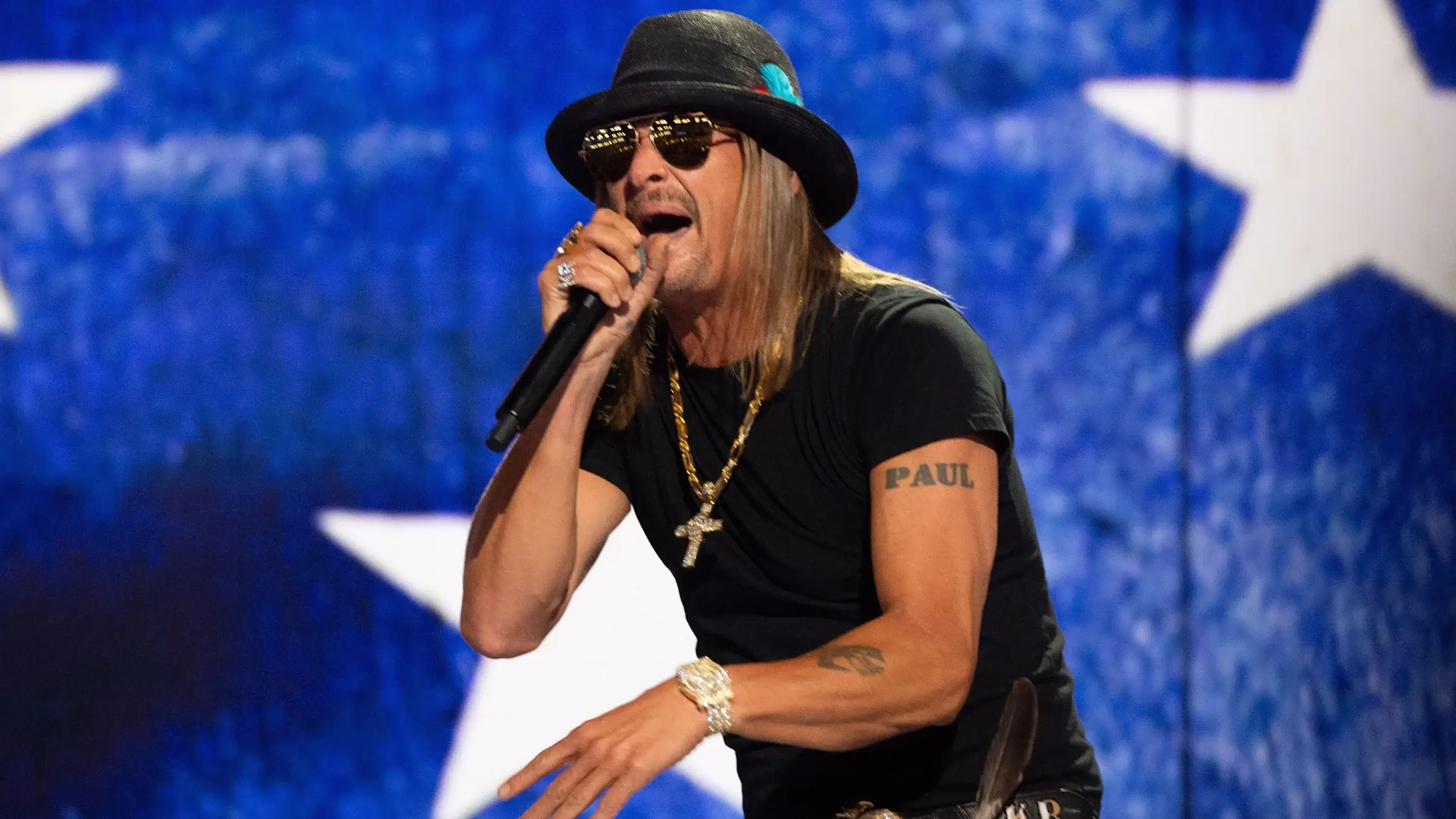
The Kid Rock halftime show remains a searched topic because his live performances often mix rock, country, rap, patriotism, and controversy. Kid Rock has built a career around bold stage energy, strong opinions, and a sound that does not fit into one simple category. That makes any halftime performance connected to his name a talking point among fans, critics, and casual viewers.
A halftime show is not only about music. It is also about image, timing, audience reaction, and public debate. In Kid Rock’s case, the positive side is his ability to bring energy and connect with loyal fans. The negative side is that his performances sometimes attract criticism because of political themes, stage choices, or public comments.
Quick Bio of Kid Rock
Kid Rock, whose real name is Robert James Ritchie, is an American singer, rapper, songwriter, and performer. He became widely known for combining rock, hip-hop, country, and southern rock influences. His popular songs include “Bawitdaba,” “Cowboy,” “Only God Knows Why,” and “Picture.”
He was born in Michigan and built his music identity around a rough, independent, and American-style image. Over the years, Kid Rock has remained a recognizable figure in entertainment because of his music, public personality, and strong fan base.
Kid Rock Halftime Show Background
The phrase Kid Rock halftime show is often connected to major football entertainment moments. One of the most remembered appearances was during the Super Bowl XXXVIII halftime show in 2004, where several major artists performed, including Janet Jackson, Justin Timberlake, P. Diddy, Nelly, Jessica Simpson, and Kid Rock.
During that show, Kid Rock performed songs such as “Bawitdaba” and “Cowboy.” His appearance stood out because of his loud rock style and his American flag-themed outfit, which became part of the public discussion after the event.
Why His Halftime Performances Get Attention
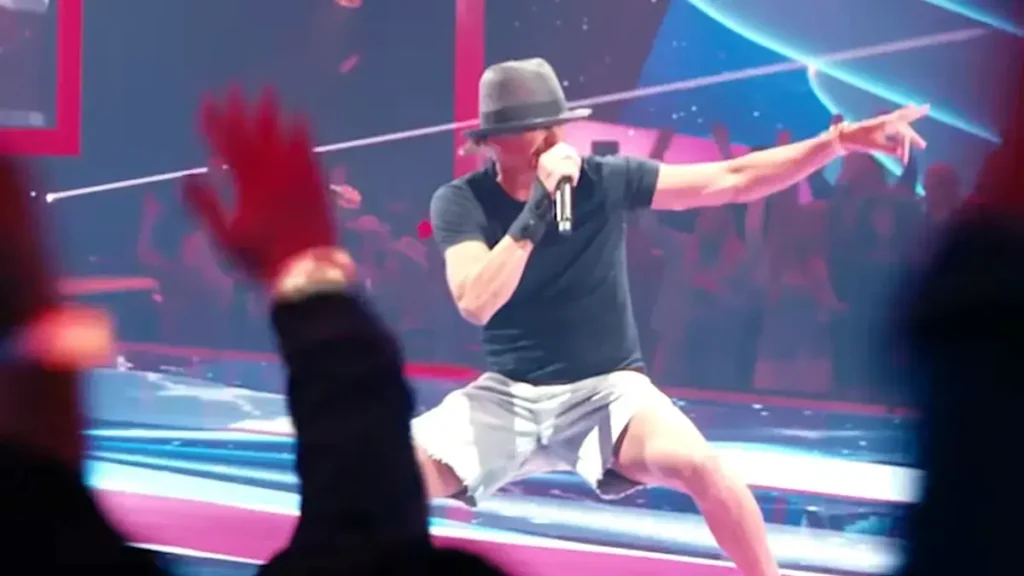
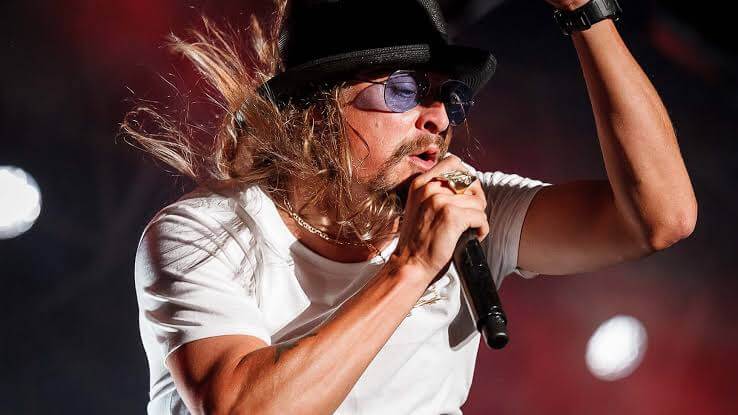
Kid Rock is not a quiet performer. His stage style is built on volume, confidence, and crowd movement. When he performs at a halftime show, viewers usually expect guitars, drums, shouting vocals, and a mix of rock and country energy.
This can be positive because it creates a strong live atmosphere. However, it can also divide audiences. Some people enjoy his rebellious image, while others feel that his performances are too political or too aggressive for a family sports broadcast.
Music Style and Stage Energy
Kid Rock’s music style is one reason people remember his halftime appearances. He does not perform like a traditional pop singer. His sound includes rock riffs, rap-style delivery, country themes, and working-class storytelling.
This mix helps him reach different types of listeners. Rock fans may like the guitars, country fans may connect with the lyrics, and older fans may remember his late-1990s and early-2000s hits. At the same time, this mixed style can confuse viewers who expect a clean pop halftime production.
Public Reaction to Kid Rock Halftime Show
Public reaction to a Kid Rock halftime show is usually mixed. Supporters often praise his confidence, stage control, and ability to perform without trying to please everyone. They see him as a real entertainer who brings raw energy to a major platform.
Critics often focus on controversy, political tone, or performance choices. Some viewers believe halftime shows should avoid divisive symbols or messages. This is why Kid Rock’s name often appears in debates about music, sports entertainment, and American culture.
Controversy Around His Performances
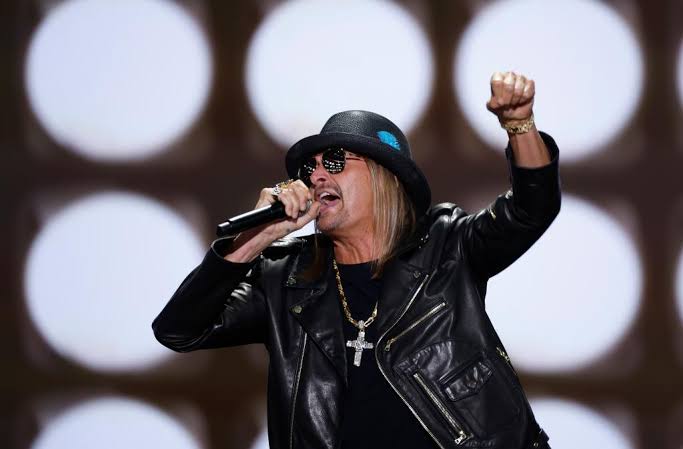
Kid Rock’s 2004 Super Bowl appearance received criticism because he wore an American flag styled as a poncho. Some viewers and groups felt this was disrespectful, while his supporters saw it as part of his patriotic image.
This shows the larger issue around Kid Rock’s public image. His performances are rarely just about songs. They often become discussions about values, identity, free expression, and what is suitable for a national halftime stage.
Positive Side of Kid Rock’s Halftime Presence
The positive side of Kid Rock’s halftime presence is clear. He knows how to grab attention quickly. His songs are energetic, his band-style performances feel loud and physical, and his fans respond strongly to his stage personality.
For event organizers who want a bold rock-country act, Kid Rock can bring a memorable atmosphere. His performances are not soft or forgettable. Even people who do not like him often remember what happened, which is one reason the topic continues to get search interest.
Negative Side of Kid Rock’s Halftime Presence
The negative side is that his image can overshadow the music. Instead of only discussing the songs, people often debate his clothing, comments, political views, or cultural message. This can turn a halftime performance into a controversy.
For a broad audience event, that can be risky. A halftime show must appeal to many age groups, backgrounds, and opinions. Kid Rock’s direct and rebellious image does not always fit that neutral entertainment space.
Why People Still Search for Kid Rock Halftime Show
People search for Kid Rock halftime show because it connects music history, sports entertainment, and controversy. Some want to know when he performed. Others want to understand why his appearance became debated.
The keyword also attracts interest because halftime shows have become cultural events. Viewers remember the music, but they also remember unexpected moments, public reactions, and media coverage.
Conclusion
The Kid Rock halftime show topic remains powerful because Kid Rock is a performer who creates strong reactions. His halftime appearances show both the strength and risk of booking an artist with a bold identity. He brings energy, recognizable songs, and loyal fans, but he also brings debate.
In the end, Kid Rock’s halftime presence reflects his entire career. He is not a background performer. Whether praised or criticized, he becomes part of the conversation, and that is why his halftime show history continues to interest audiences.
FAQs
1. What is the Kid Rock halftime show known for?
The Kid Rock halftime show is known for high-energy music, rock-country style, and public debate. His performances often attract attention because of his bold stage presence and image.
2. Did Kid Rock perform at the Super Bowl halftime show?
Yes, Kid Rock performed during the Super Bowl XXXVIII halftime show in 2004 as part of a lineup that included several major artists.
3. What songs did Kid Rock perform at halftime?
Kid Rock performed songs including “Bawitdaba” and “Cowboy” during his Super Bowl halftime appearance.
4. Why was Kid Rock’s halftime performance controversial?
His 2004 appearance drew criticism because he wore an American flag-styled poncho, which some people considered disrespectful.
5. What music style does Kid Rock use?
Kid Rock mixes rock, rap, country, southern rock, and hip-hop influences in his music and live performances.
6. Why do fans like Kid Rock’s halftime performances?
Fans enjoy his loud energy, strong stage presence, familiar songs, and rebellious entertainment style.
7. Why do critics dislike Kid Rock halftime shows?
Critics often say his performances can feel divisive because of political themes, controversial symbols, or public image.
8. Is Kid Rock a country singer or rock singer?
Kid Rock is both. He is best known for blending rock, country, rap, and southern influences instead of staying in one genre.
9. Why is Kid Rock still popular?
Kid Rock remains popular because of his loyal fan base, recognizable songs, and strong public identity.
10. Is the Kid Rock halftime show still discussed today?
Yes, people still discuss it because it connects sports, music, controversy, and American pop culture.